
Ask what they'll buy it back for. Today.
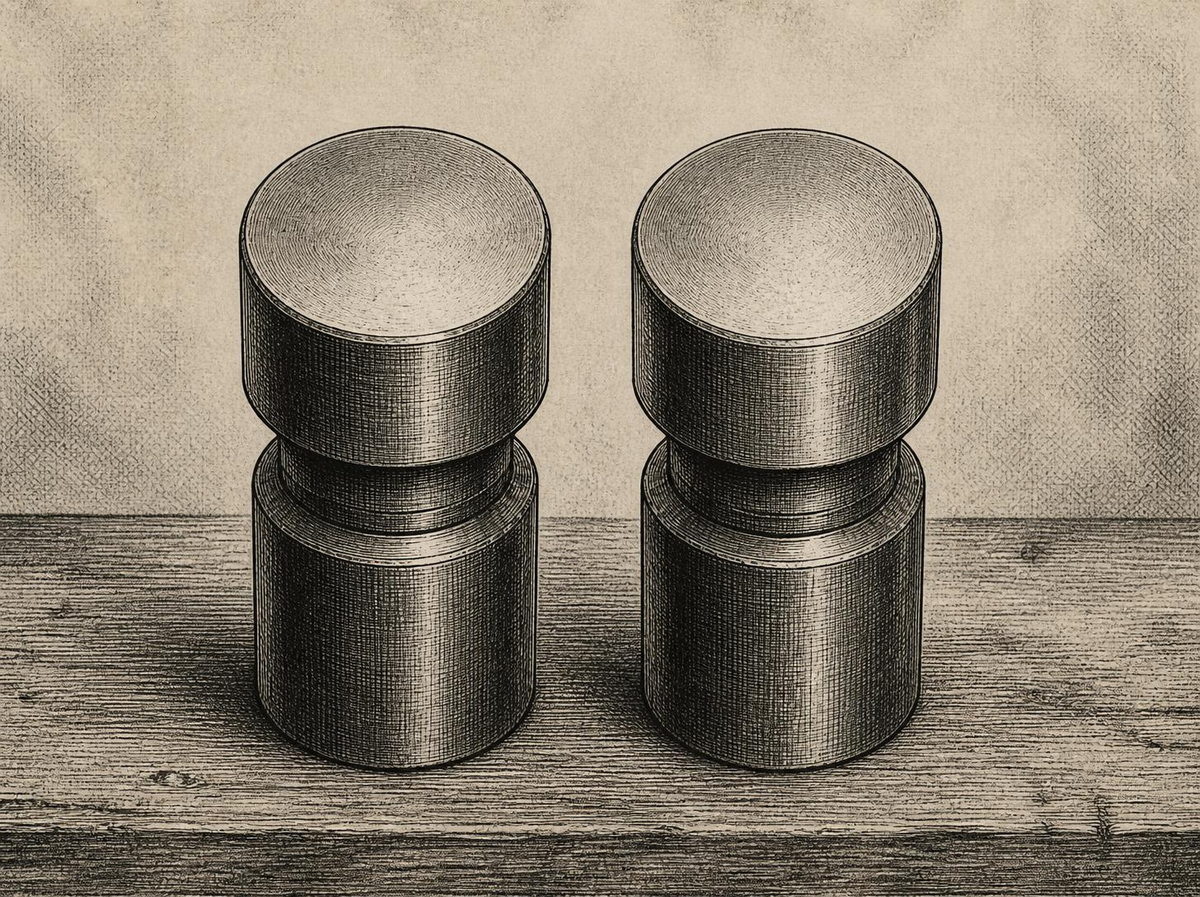
The Mint's own page calls it a two-way market. You only ever see one side of it.
Wendell here. Thursdays are the hard things — metal, land, the assets you can put a hand on.
I promised this one on Saturday and then didn't send it. Here it is.
Every piece of equipment I ever bought had two prices. The one on the purchase order, and the one I'd get if I turned around and sold it the same afternoon.
They were never close. A pump at eight thousand new was worth maybe two on the surplus market before it had run an hour. That gap isn't a loss on the pump. It's what the transaction costs. And it gets paid the moment you sign, whatever the pump does afterward.
I mention it because the same thing sits inside every purchase of physical metal, and it is not what most of the arguing is about.
Two prices, and you'll be quoted one
Start with something I didn't know. The United States Mint does not sell bullion coins to the public. Not to you, not to me, not to anybody walking in. It sells to a small set of official distributors. The Mint's own page says what those distributors then do. They “create a two-way market buying and selling.”
Two-way. Two prices. One they sell at and one they buy at, and the space between them is the business.
By the time a coin reaches a counter near you, it has passed through at least two more sets of hands. Each adds something. None of that is hidden and none of it is wrong. It's simply never the number in the advertisement.
The metal price you see quoted
spot
What the dealer asks you for the coin
spot + premium
What the same dealer pays you for the same coin, same day
usually under both
The difference between the last two is the cost of owning it, and you pay it on the way in and again on the way out. It has nothing to do with where the metal price goes next.
So here is the question I'd ask before handing over money, and it takes one sentence.
“What will you pay me for this exact coin today?”
Ask it before you buy, not after. Write down both numbers. That difference, as a percentage, is the price of the trip — and now you know it before you take it rather than in four years when you go to sell.
A dealer who quotes both without flinching is doing normal business. One who won't give you a buyback number has told you something, and you should hear it.
Where the gap stops being a cost
A markup is a cost. A markup that gets described as something else is a different matter, and the regulator has spent years on this.
In 2020 the Commodity Futures Trading Commission and thirty state agencies charged a Los Angeles operation over a $185 million scheme. Around 1,600 people. More than $140 million of it retirement savings.
Here is the number that stopped me. The complaint puts the overcharges at an average of 100 percent to more than 300 percent above the prevailing market price. Not a markup. A multiple.
And the method, plainly stated. Customers asked what their bullion was worth. They were told the coins were rare, and carried a premium far above the base melt value. They weren't, and it didn't. Nearly every customer lost the vast majority of what they put in.
Three years later the same agency settled a $68 million case against a California dealer over silver coins, mostly bought with retirement money by about 450 people.
That order carries a detail worth holding on to. The customer agreement said the markup would not exceed 23 percent. The average markup customers actually paid was 71 percent. It was written down, in their own paperwork, and the number in practice was three times it.
Both actions say the same thing about who was called. Elderly and retirement-aged people. Money moved out of retirement accounts.
The pattern in both is worth carrying around. The pitch stopped being about metal — weight, purity, the number on the scale — and became about the coin being special. Rare. Limited. A collector's piece. That's the turn. Bullion is worth what it weighs, and any story that has to be told on top of the weight is a story you're paying for.
None of this is a view on whether to own the stuff. I don't have one, and wouldn't hand it to you if I did. This is the arithmetic of the transaction. That's a separate thing from the argument about the metal, and it's the half nobody quotes at you.
Wendell
P.S. Ian McGinley, the CFTC's Director of Enforcement, put the California case in one line: the defendants targeted elderly victims to liquidate their retirement savings. Thirty state agencies joined that filing. Agencies don't assemble thirty of anything for a thing that happens twice.
Sources
Bullion Coins — how the Mint distributes, and the two-way market · United States Mint
CFTC and 30 states charge Los Angeles precious metals dealers in $185 million fraud, release 8254-20 · Commodity Futures Trading Commission
Consent order with California precious metals dealer in $68 million fraud, release 8812-23 · Commodity Futures Trading Commission
Nothing here is investment advice, and no dealer or product is recommended or criticised. This letter reports how the distribution works and what the regulator has charged.